CASE STUDY, UX/UI, DESIGN SYSTEM

StoreLink™ by Vestcom

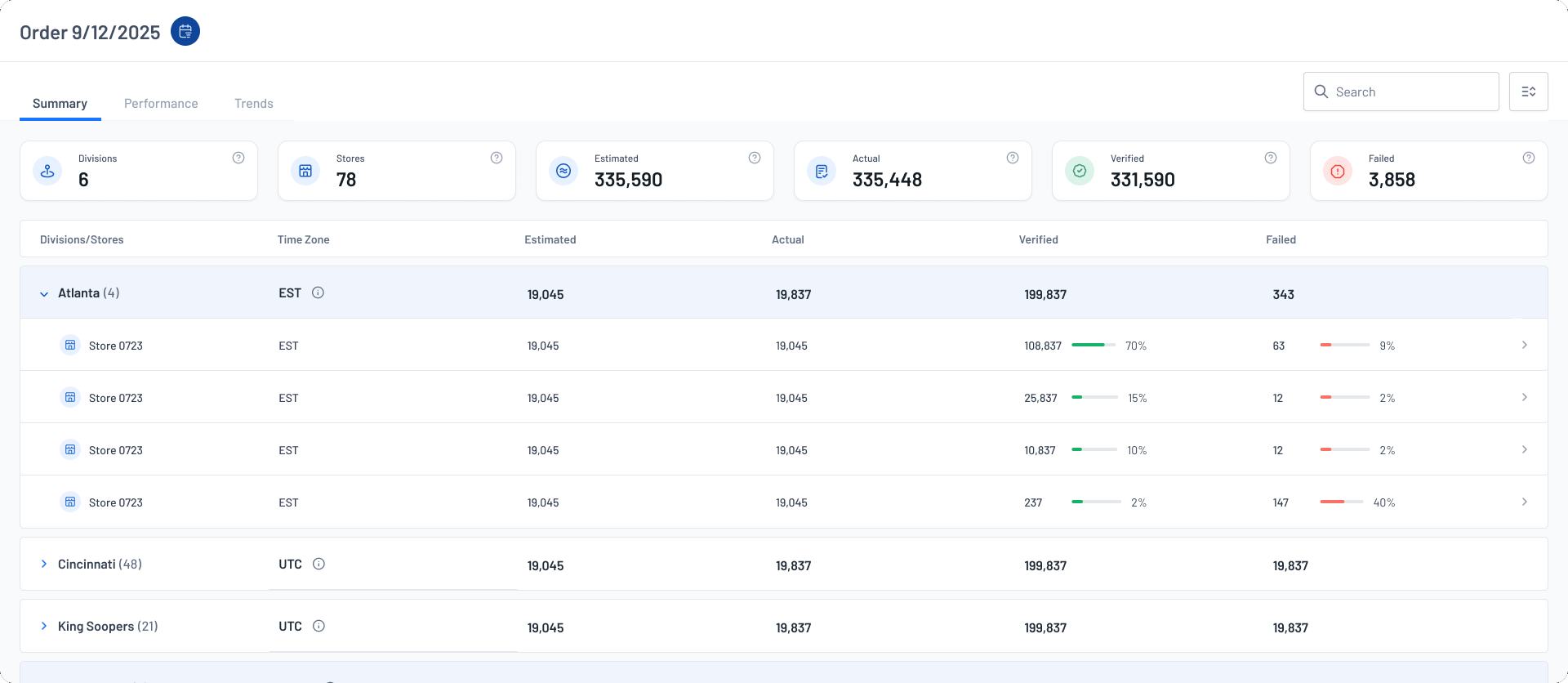
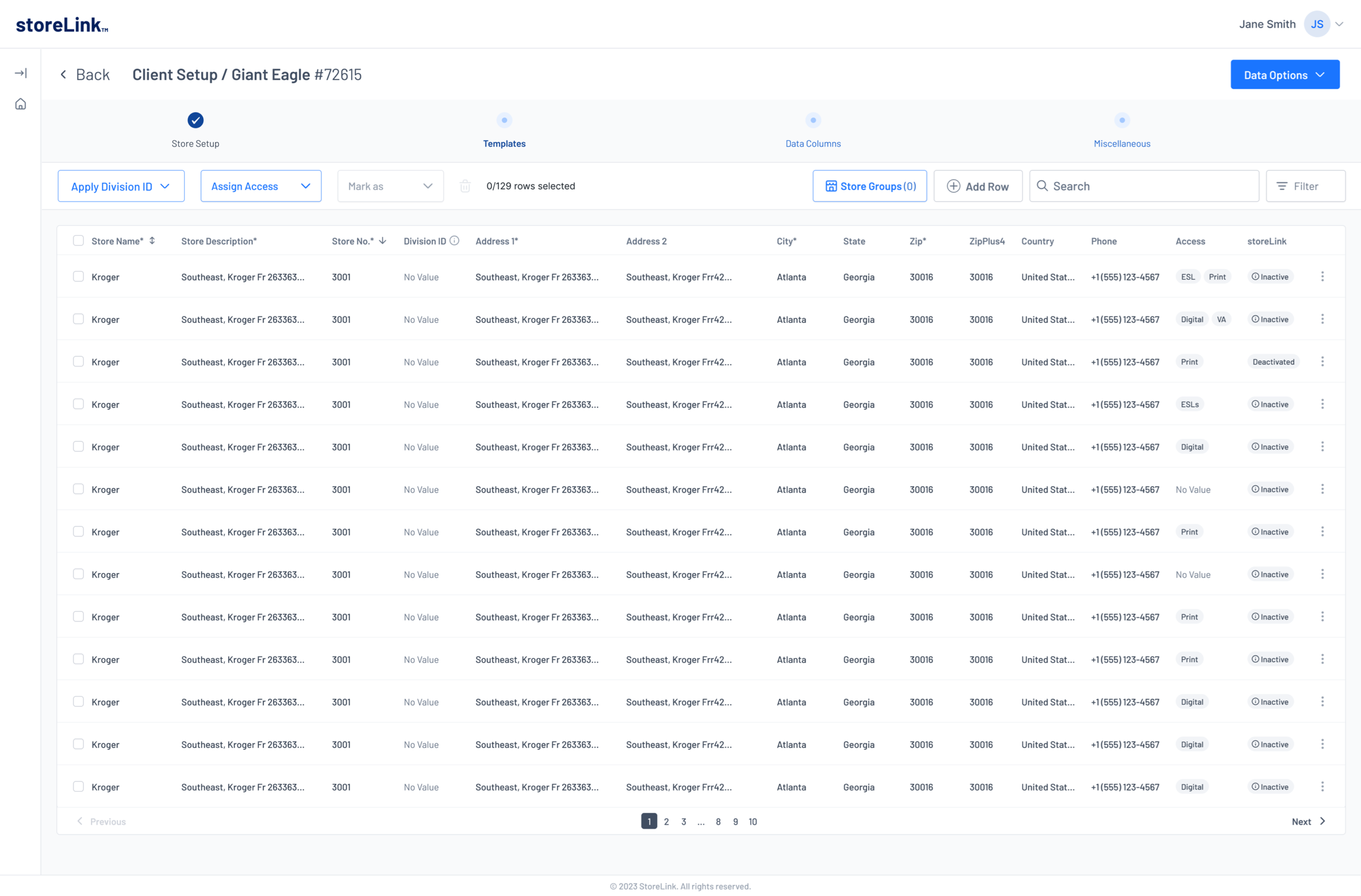
StoreLink is Vestcom’s centralized, hardware agnostic platform that acts as a single source of truth for managing both digital and printed shelf edge media. It is a rebrand and rebuild of one of Vestcom’s earlier applications, Kameleon, a B2B tool originally built to serve grocery and retail partners across the country and abroad.

ROLE:

UX DESIGNER

CLIENT:

VESTCOM INTERNATIONAL, INC./ AVERY DENNISON

YEAR:

2022-2026

DELIVERABLES:

Wireframes, Design System, Web Ready assets

What started as an interface refresh eventually grew into something much bigger: a new system, a new visual identity, and a reusable design foundation that would go on to shape how Vestcom builds products well beyond StoreLink alone.

What came before storeLink was an app known as Kameleon. It was never just a place to store data. It functioned as a complete print management system, giving retailer partners the ability to access their own store data, create and manage print orders, and send those orders directly to one of Vestcom’s many printing facilities. Retailers relied on it to automate scheduled printing around sales and promotional periods, covering everything from price tags to discount scan codes. At its peak, Kameleon supported a wide network of retail partners nationally and internationally, making it a critical piece of Vestcom’s print infrastructure.
Brand logo for storeLink

Product Logo

1. The Challenge

As Kameleon aged, cracks started to show. Its interface was easy to misread, and that ambiguity translated directly into operational problems: overprinting, duplicated print jobs, orders routed to the wrong location, and a steady stream of cancellations, almost all traceable back to user error rather than a flaw in the printing process itself. These were not small inconveniences. Every misrouted or duplicated print job meant wasted material, wasted time, and a support ticket for someone on the Vestcom side to untangle. It became clear fairly quickly that patching Kameleon’s interface would not be enough. The application needed a rebuild from the ground up, both in how it functioned and in how it looked and felt to the people using it every day.

2. My Role

I worked alongside developers, stakeholders, and my design teammates to help shape what would become StoreLink. While the engineering side rebuilt the underlying system, my focus was on the design side of that equation: building the foundational design elements that StoreLink and its surrounding tools would be built on.

3. The Solution: StoreLink

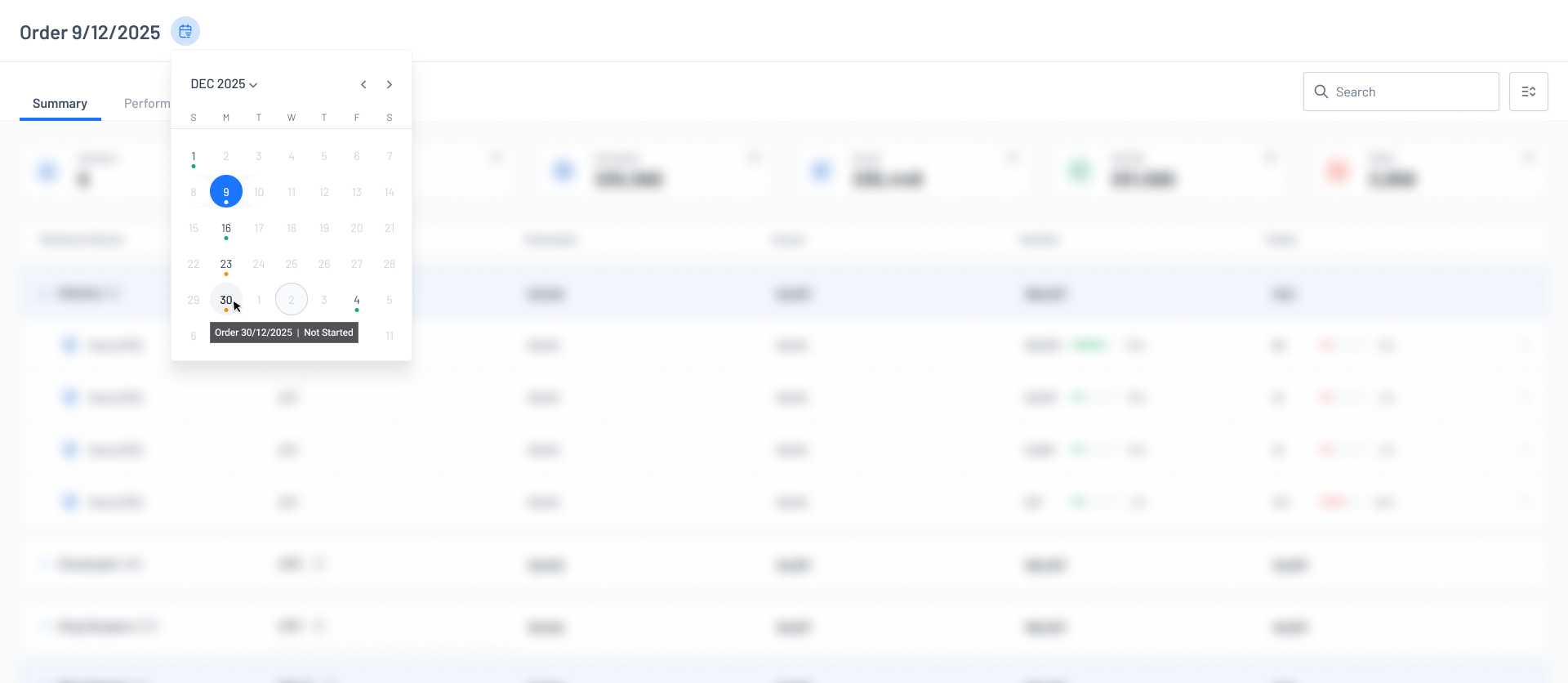
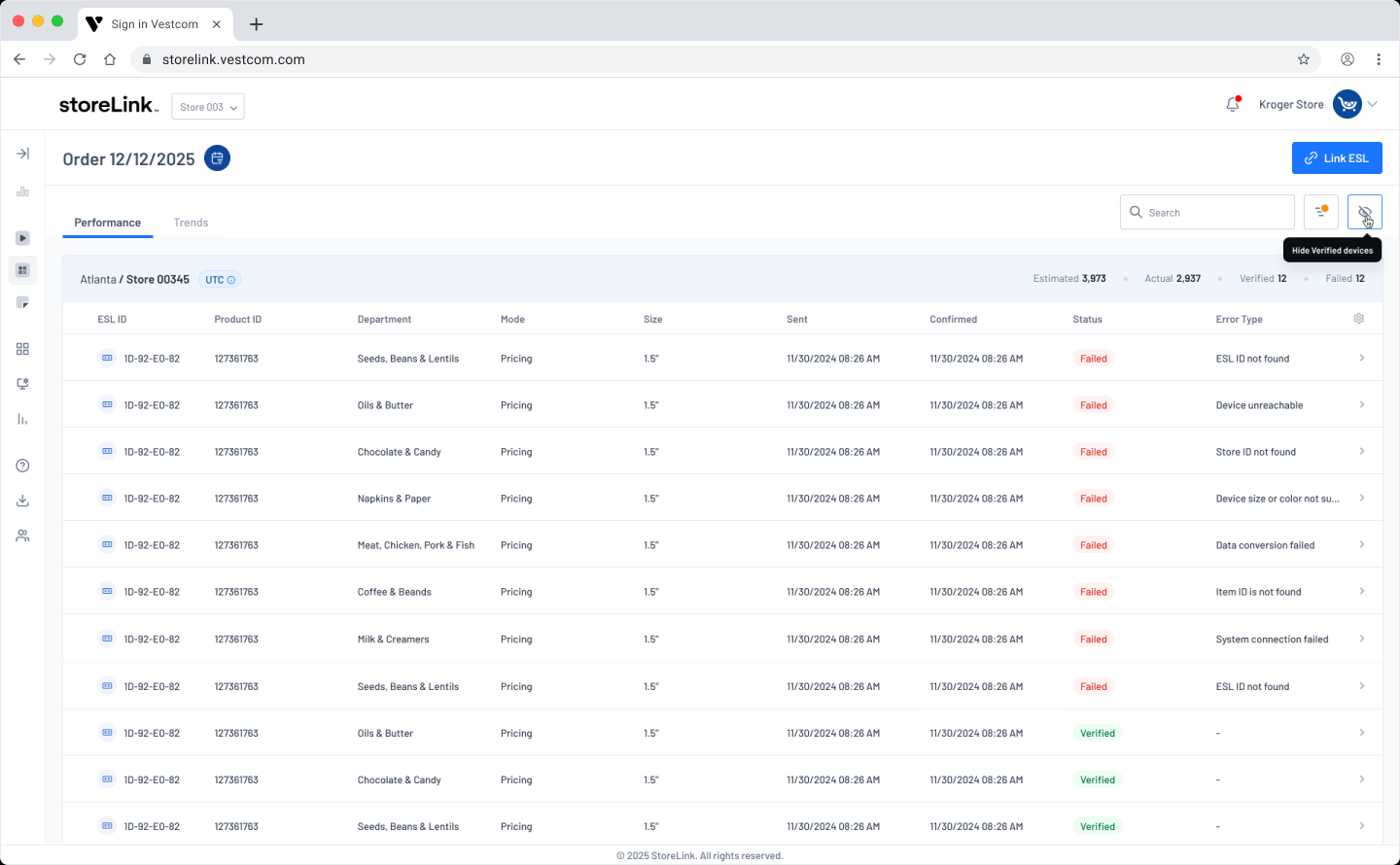
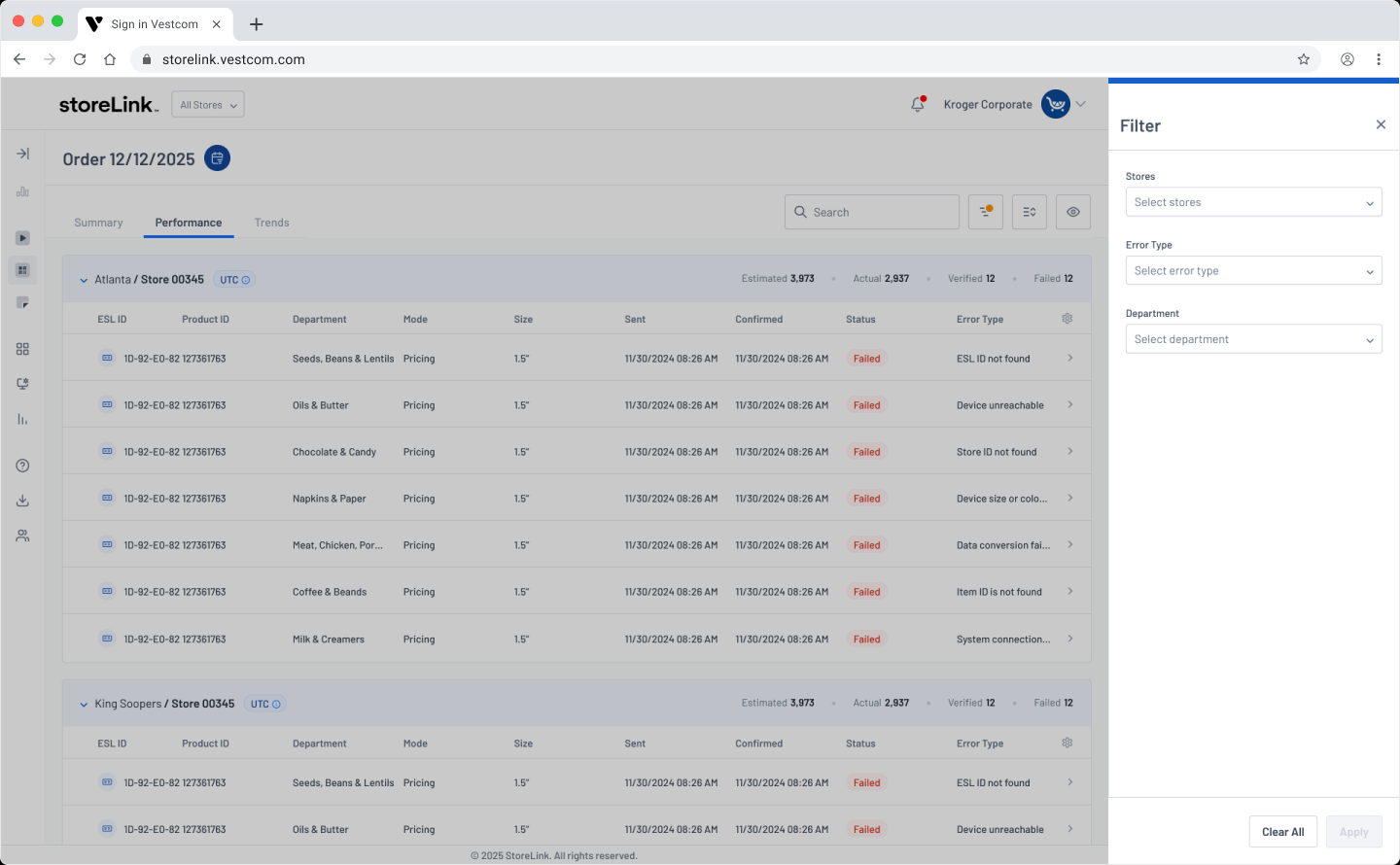
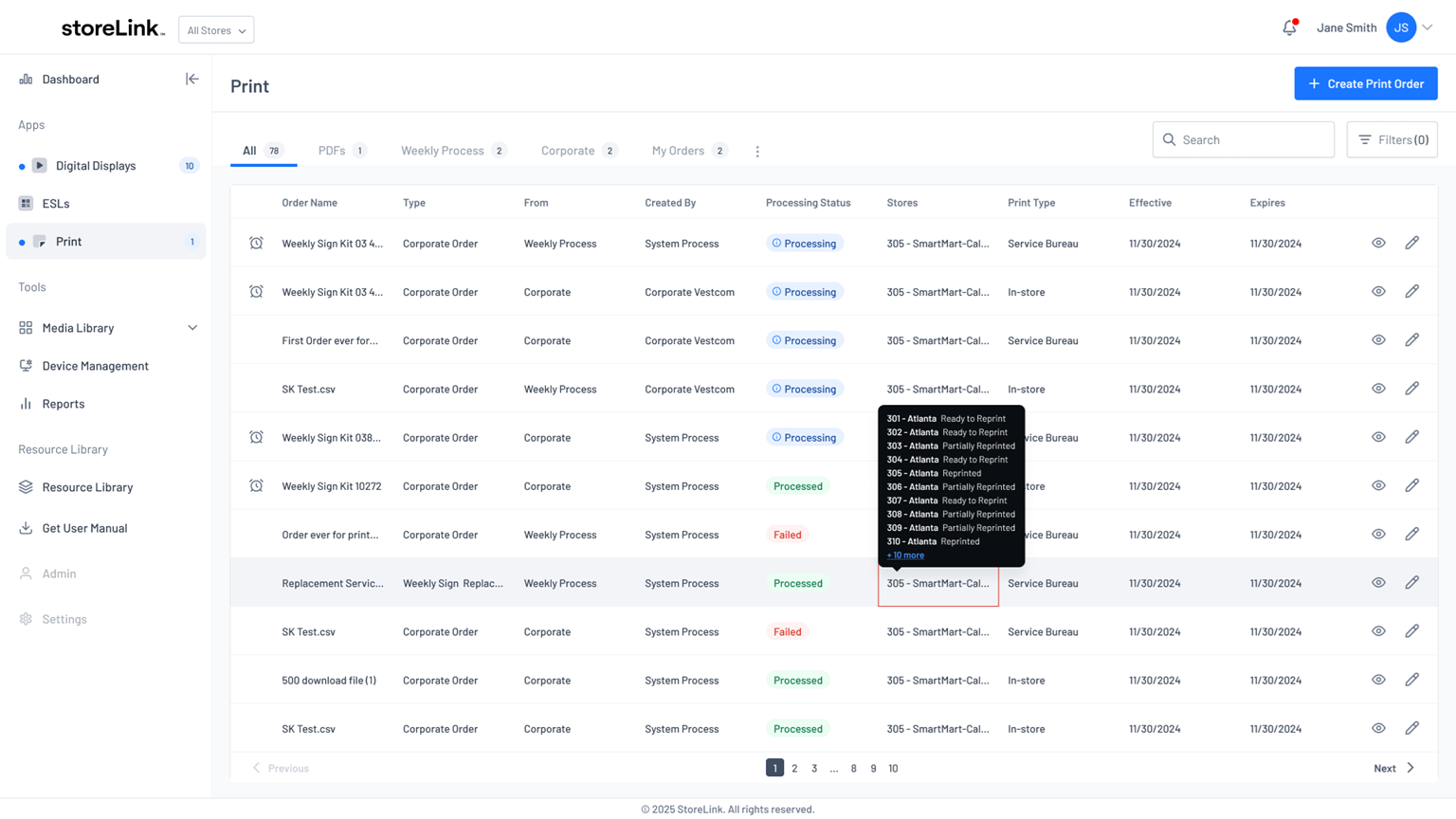
That rebuild became StoreLink, a platform built specifically to cut down on print waste and give retailers a clearer, more dependable way to manage their printing. Rather than treating StoreLink as a single fixed product, the team built it to grow. Since launch, it has expanded into a full suite of tools, including Vestcom Access, a configuration tool called Config, and an ESL, or Electronic Shelf Label, application. At its core, StoreLink gives small to medium businesses a much simpler way to streamline how they print and manage store tags, without the ambiguity that plagued Kameleon.

4. A SCALABLE DESIGN FOUNDATION

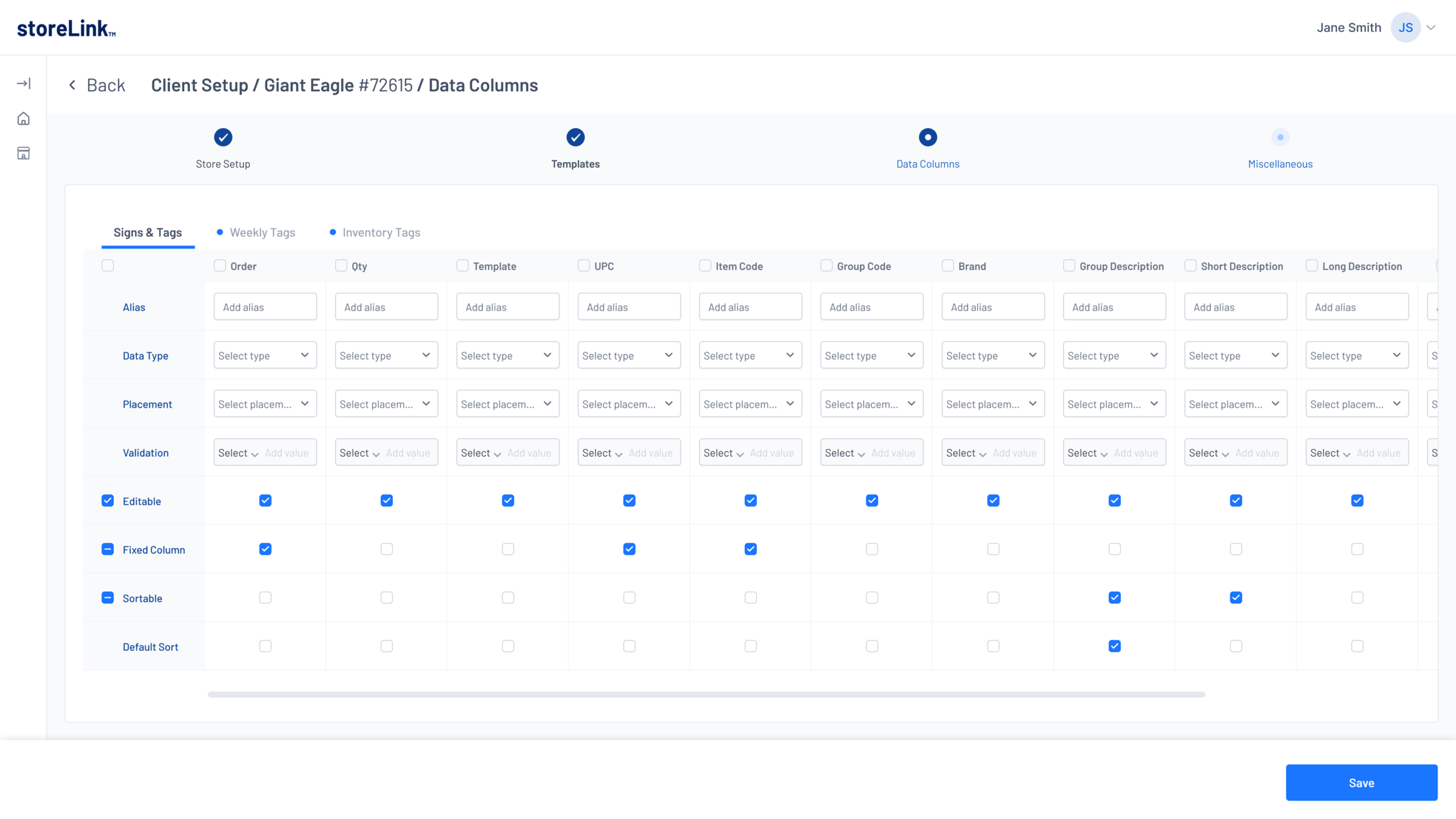
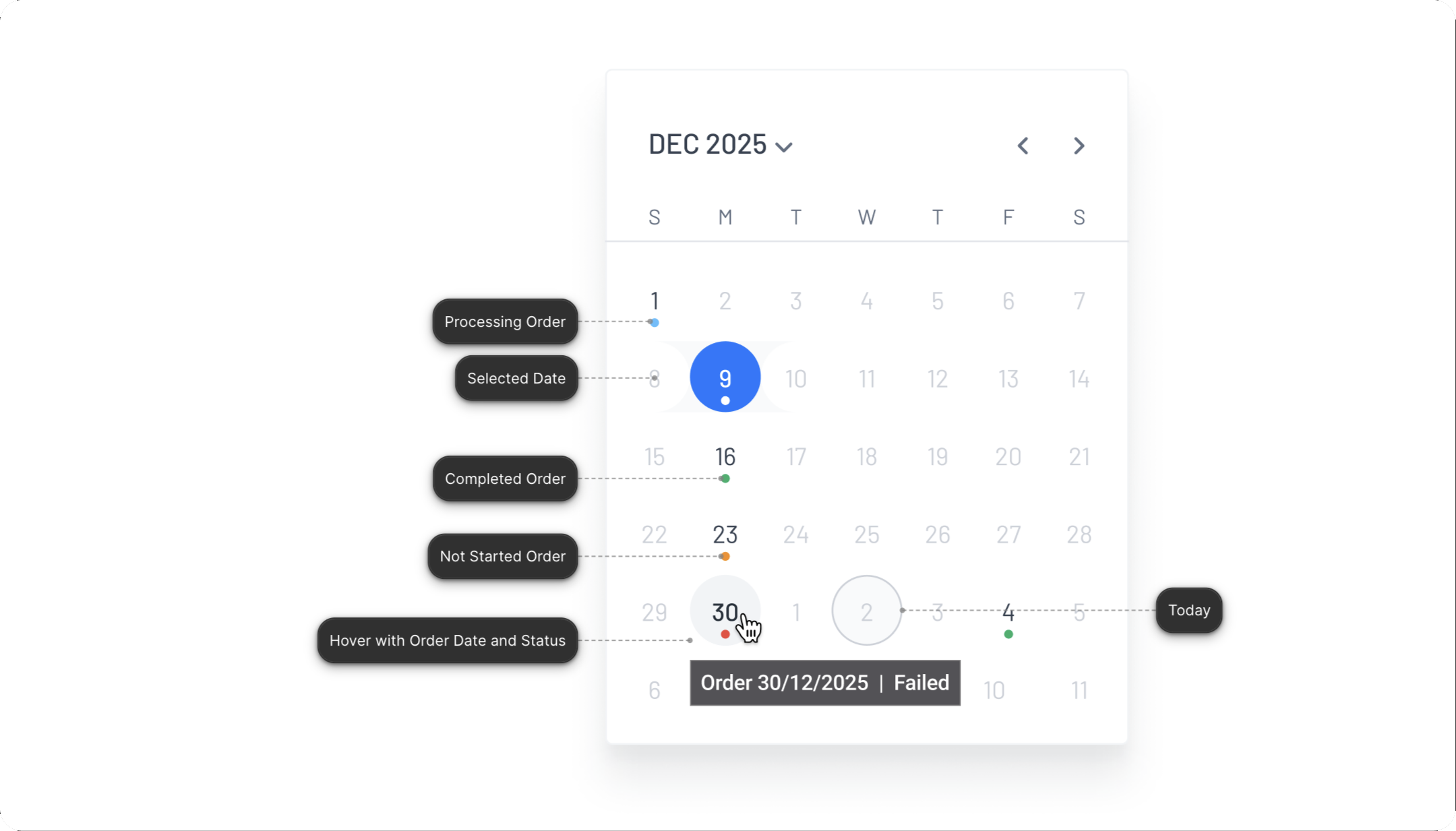
One of the more lasting contributions to come out of this project was not a single screen or feature, but a system. Alongside my teammates, I helped build the foundational design library for StoreLink, developing brand colors, typography classes, and reusable components that could be dropped directly into new landing pages and dashboards as they were needed.

Before this library existed, every new feature or page meant rebuilding the same design atoms from scratch: buttons, headers, form fields, layout patterns, again and again. That repetition ate into time that could otherwise go toward genuine user research and problem solving. Once the library was in place, our team could pull from a shared, consistent system instead, which meant less time spent recreating the basics and more time spent understanding what retailers actually needed from the platform.

That shift turned out to be bigger than StoreLink itself. The library eventually grew into what became Vestcom’s Central Library, a company wide design system now used across future projects and applications, well beyond the original scope of this one platform.
5. Results and Impact

StoreLink helped reduce printing by 12%, directly cutting down on both material waste and cost, a meaningful improvement over the confusing experience Kameleon had left behind. Today, StoreLink is used by a high volume of users across every store it is deployed in, and the design system built alongside it continues to save time and effort on every new Vestcom product that follows it.

6. Looking Back

What began as a rebrand of an aging B2B tool turned into an opportunity to rethink how Vestcom approaches design at a systems level. Solving Kameleon’s usability problems required more than new screens. It required rebuilding trust in the printing process itself. And the design library built to support that effort ended up outliving the project it was built for, becoming a foundation the rest of Vestcom’s product design now stands on.

Up Next → JOB MANAGER

Like what you see? LET'S MAKE
THE NEXT ONE

I’m open to enterprise UX, design systems, and launch work. Tell me what you’re building.